
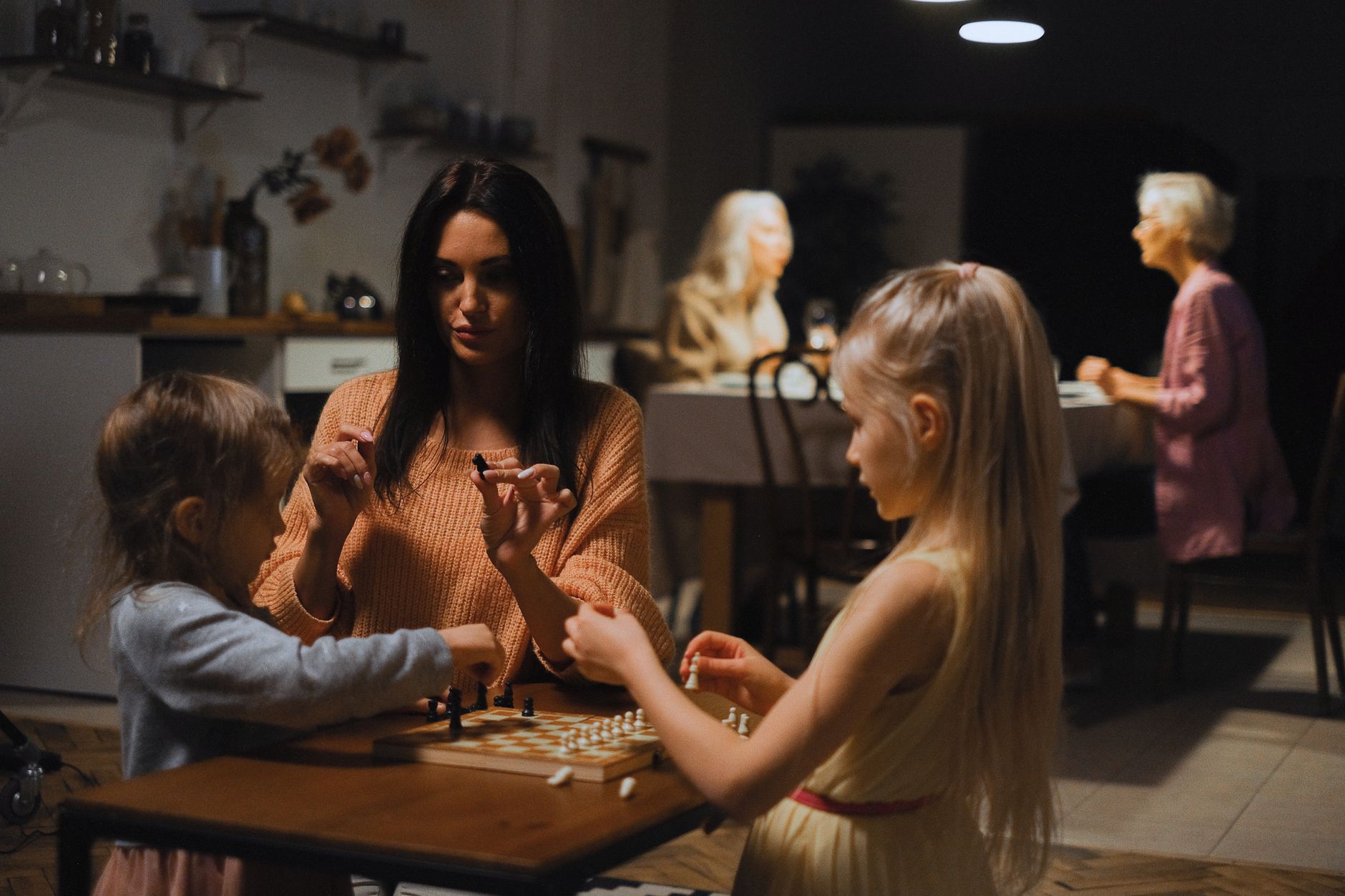
Family game night doesn’t have to mean the same shelf of board games every week. Tabletop role-playing games built for kids and mixed-age groups let everyone at the table create a story together, and the right system can turn an evening into an adventure the whole family still talks about at breakfast. The key is picking a game with rules light enough for the youngest player and a tone that keeps the grown-ups engaged too.
What Makes a Game Family-Friendly
Look for three things: simple resolution mechanics, such as rolling one or two dice rather than tracking long lists of modifiers, a cooperative structure where the whole party wins or loses together, and content that skips graphic violence or heavy themes in favor of adventure, mystery, and humor. Games designed for family play also tend to lean on picture-based character sheets and pre-built characters, so a young kid can jump in without a rules lecture.
Games Worth Trying
No Thank You, Evil!
Built specifically for young players and their parents, this game uses simple dice pools and imagination-forward prompts instead of dense rulebooks. It comes from Monte Cook Games, a studio better known for adult-oriented RPGs, and it scales down smoothly for players as young as four while still giving older kids and teens room to make real choices.
Kids on Bikes
Inspired by small-town adventure stories, Kids on Bikes uses a simple two-die system and encourages the whole group to build the mystery together rather than leaving one person in total control of the plot. That shared worldbuilding makes it a great pick for families where everyone, not just the adult running the game, wants a hand in the story.
Cooperative Board Games as a Bridge
If a full RPG feels like a big first step, story-driven cooperative board games make a gentle on-ramp. Mice and Mystics, from Plaid Hat Games, plays like a lightweight RPG campaign in a box, complete with a branching storybook and characters who level up, which makes the eventual jump to a full tabletop RPG feel natural.
Running a Table With a Wide Age Range
- Let older kids or teens help younger ones on their turns instead of taking over completely.
- Keep individual turns short so attention doesn’t wander during a long puzzle or fight scene.
- Build in a snack or stretch break every thirty to forty-five minutes.
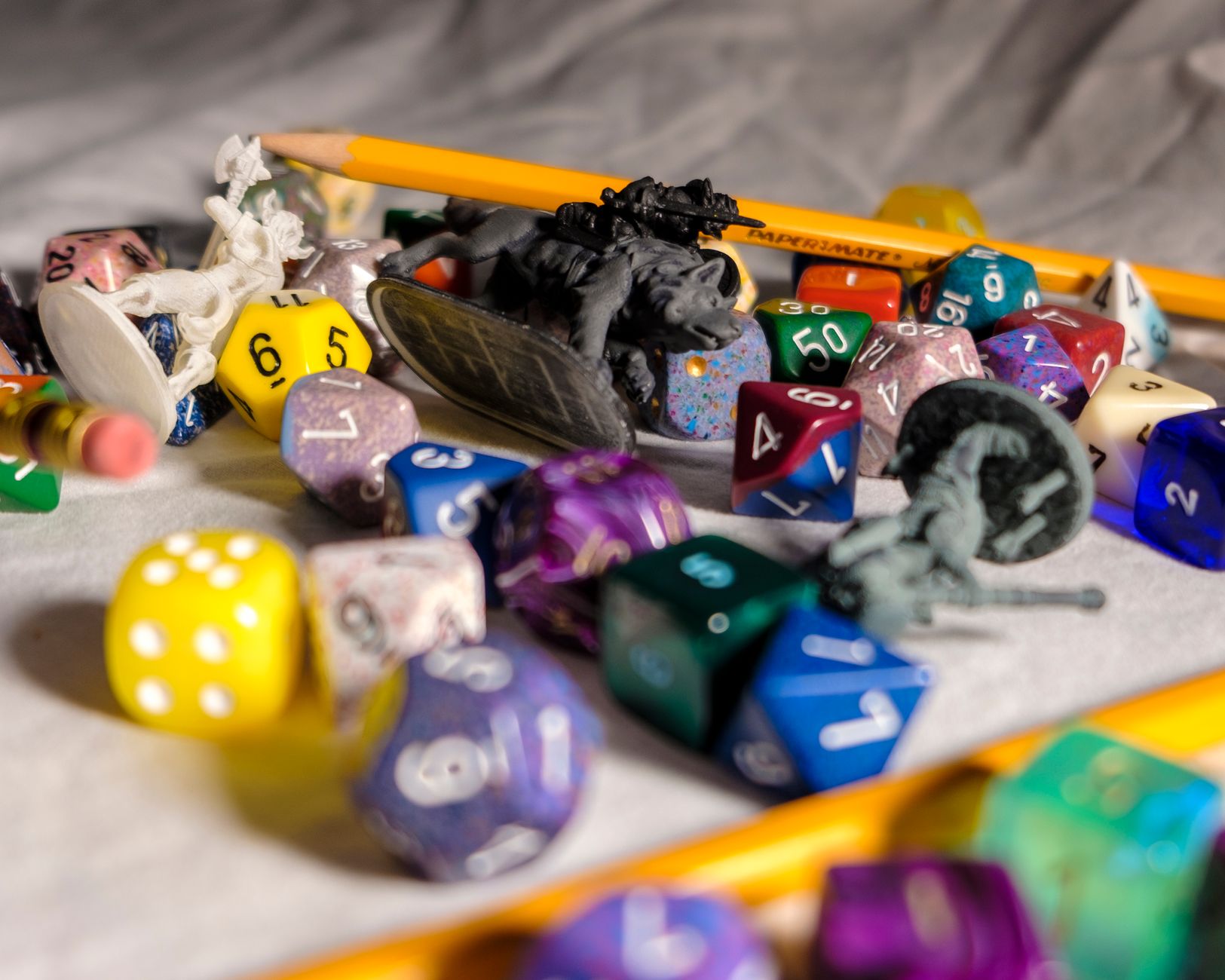
- Use props, voices, or simple minis to keep the story concrete for younger imaginations.
- Ask quieter players direct, easy questions, like what their character does next, to keep everyone included.
Final Thoughts
Family-friendly TTRPGs work best when the rules get out of the way and let everyone contribute to the story. Start with a short one-shot adventure before committing to a full campaign, let the kids help decide what happens next, and don’t be afraid to bend the rules on the fly if it keeps the game moving. The goal isn’t a flawless run of the rulebook, it’s a story your family built together.
Photo by Anna Shvets on Pexels


Leave a Reply