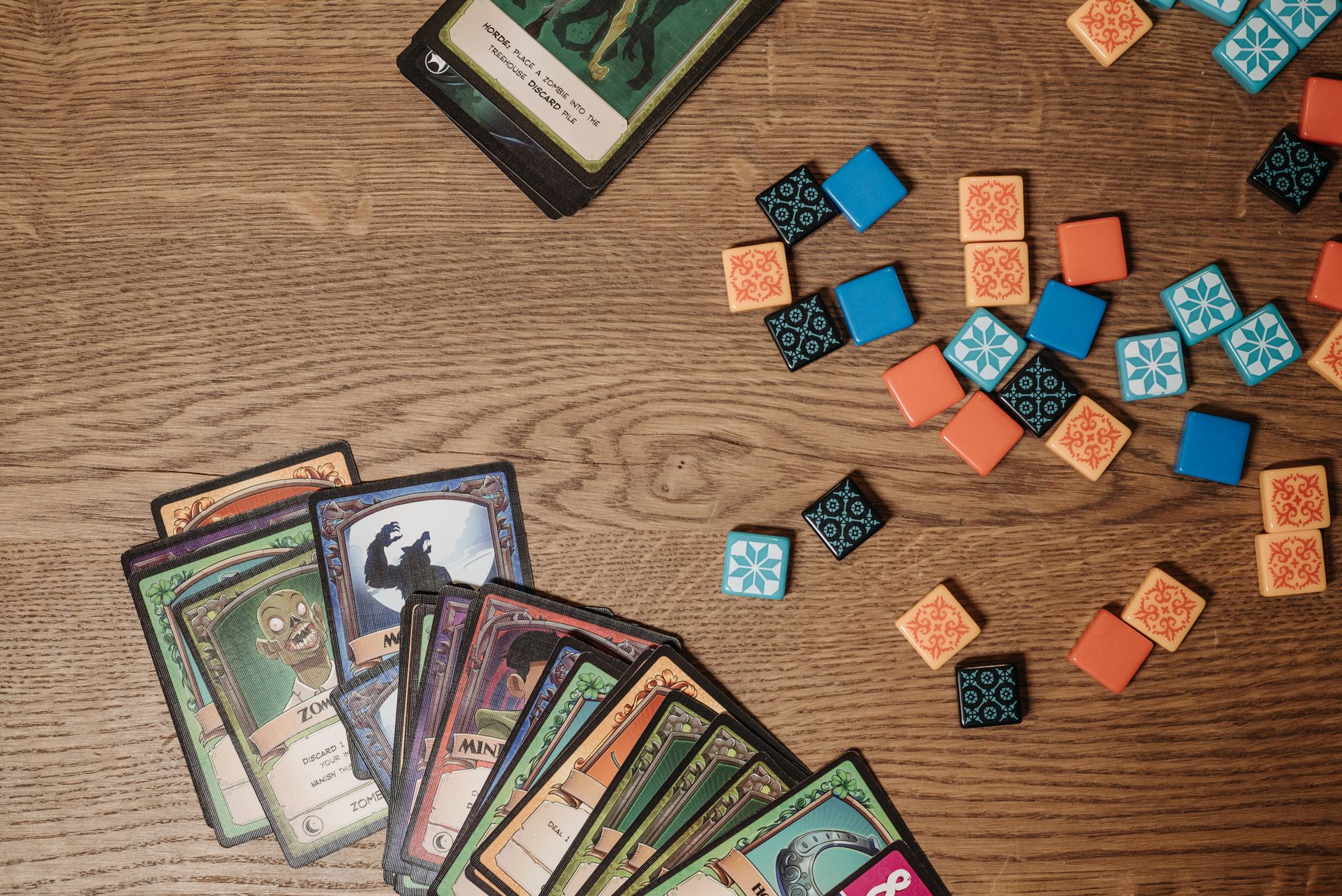
“We all meet in a tavern” is one of the oldest tricks in tabletop gaming, and it’s a trick for a reason — it’s fast, it’s flexible, and it lets everyone start building a character without waiting on anyone else. It’s also one of the biggest reasons parties feel disconnected for the first several sessions of a campaign. If the only thing tying your characters together is geography, don’t be surprised if it takes a while for the group to feel like an actual party.
Why Party Chemistry Matters
A group of individually well-built characters isn’t the same thing as a party that works. The best tables aren’t just avoiding player-versus-player friction — they’re actively rooting for each other’s characters to succeed, because the characters themselves have reasons to care. That kind of chemistry rarely happens by accident. It’s usually the product of a deliberate, collaborative step during character creation, closely related to a good session zero.
Build Backstories Together, Not in Isolation
Instead of having each player write a solo backstory and reveal it at the table, try building backstories as a group exercise. Ask a few connecting questions before anyone locks in a concept:
- Which other character in the party does yours already know, and how?
- What does your character owe another party member — a favor, a debt, a rescue?
- Is there a shared event in the party’s past, even a small one, that more than one character was part of?
- What does your character want that only this group, working together, can realistically get them?
None of these need to be elaborate. “My rogue and your cleric grew up in the same orphanage” is enough of a thread to build real scenes on later. The goal isn’t a tightly plotted shared history — it’s a handful of connective threads a game master and the players can pull on throughout the campaign.
Give the Party a Shared Stake
Individual motivations are good. A shared one is better. A party where every player character has a personal reason to care about the campaign’s central conflict holds together far more naturally than one where three characters are invested and two are just along for the ride. That shared stake doesn’t have to be identical for everyone — one character might want revenge on the same villain another wants to save their homeland from — but it should point everyone in a compatible direction.
This is also a good moment to talk through mechanically compatible roles without turning it into a min-max exercise. A party built entirely for solo glory will struggle in systems designed around teamwork; a quick conversation about who’s covering support, damage, and utility avoids stepping on toes later and, in most role-playing games, makes the actual mechanics of play smoother too.
Avoid the Reasons-to-Split-Up Trap
It’s worth explicitly ruling out concepts that make it hard for a character to stay with the group: a loner who works alone by nature, a character actively hiding from the rest of the party, or a criminal whose goals directly conflict with everyone else’s. These aren’t off-limits forever — a character can grow into trusting the party over time — but starting a campaign with a built-in reason to wander off puts extra narrative weight on the GM to keep the group together, weight that a few minutes of upfront conversation can avoid entirely.
Make It a Standing Part of Character Creation
Whether your group runs this as part of session zero or as its own dedicated step, the format matters less than doing it before anyone finalizes a sheet. Some tables like to do it live around the table together; others use a shared document where players add connective details over a few days. Digital character sheet tools, OpenSheet included, make it easy to keep those shared backstory notes attached to the character itself so they don’t get lost once play actually starts.
However you run it, the payoff is the same: a party that has real reasons to stick together, watch each other’s backs, and care what happens to the group — not just because the story demands it, but because the characters were built that way from session one.
Photo by Pavel Danilyuk on Pexels
Leave a Reply