
You’ve picked a system, found a table, and everyone is excited to start playing. Before you roll a single die, though, there’s one step that separates campaigns that thrive for years from ones that fizzle out after a handful of sessions: session zero.
What Is a Session Zero?
A session zero is a dedicated meeting — sometimes an hour, sometimes a full evening — where the group talks about the game before actually playing it. Instead of jumping straight into combat or exploration, the table discusses what kind of story everyone wants to tell, what character concepts people are considering, and what the practical logistics of running a tabletop role-playing game together will look like. It’s less “in character” and more “let’s design this experience on purpose.”
Some groups treat session zero as a formality to rush through. That’s a mistake. The conversations that happen here prevent the vast majority of conflicts that derail games later: a player who wanted horror-tinged intrigue stuck at a table that wanted lighthearted heist comedy, a character built to be a loner in a game designed around tight party cooperation, or a game master who assumed everyone was fine with permanent character death when half the table wasn’t.
Why Skipping It Causes Problems
Without a session zero, expectations are guessed at rather than stated. Players might not realize the campaign is meant to be a slow-burn political drama until three sessions in, when they’ve already built a character optimized for dungeon-crawling combat. A GM might not learn that a player is uncomfortable with certain content until it comes up mid-scene, which is a far worse time to find out. None of this is anyone’s fault — it’s simply what happens when a group skips the one conversation designed to surface it early.
A Practical Session Zero Checklist
You don’t need a rigid script, but covering these areas will save you real headaches:
Tone and Content Boundaries
- What tone is the group after — heroic fantasy, gritty survival, comedic chaos, horror?
- Are there topics that should be handled with care or avoided entirely (graphic violence, specific phobias, real-world trauma)? Many tables adopt ongoing tools like lines-and-veils or an X-card rather than a one-time list.
- How will the table handle disagreements about content once play is underway?
Character Concepts
- What’s each player excited to play, and does it fit the campaign’s premise?
- Is there room for the GM to weigh in before sheets are finalized, so nobody builds a character that can’t function in the planned story?
- How will the party’s characters know each other, or come to trust each other, from session one?
Table Expectations
- How much combat versus roleplay versus exploration does the group actually want?
- What’s the policy on player-versus-player conflict, character death, and splitting the party?
- Who’s handling snacks, minis, or other table logistics?
Scheduling
- How often will the group play, and for how long per session?
- What’s the plan when someone can’t make it — skip, run without them, or reschedule?
- Is this a short campaign with a defined endpoint or an open-ended one?
Make It a Habit, Not a One-Time Event
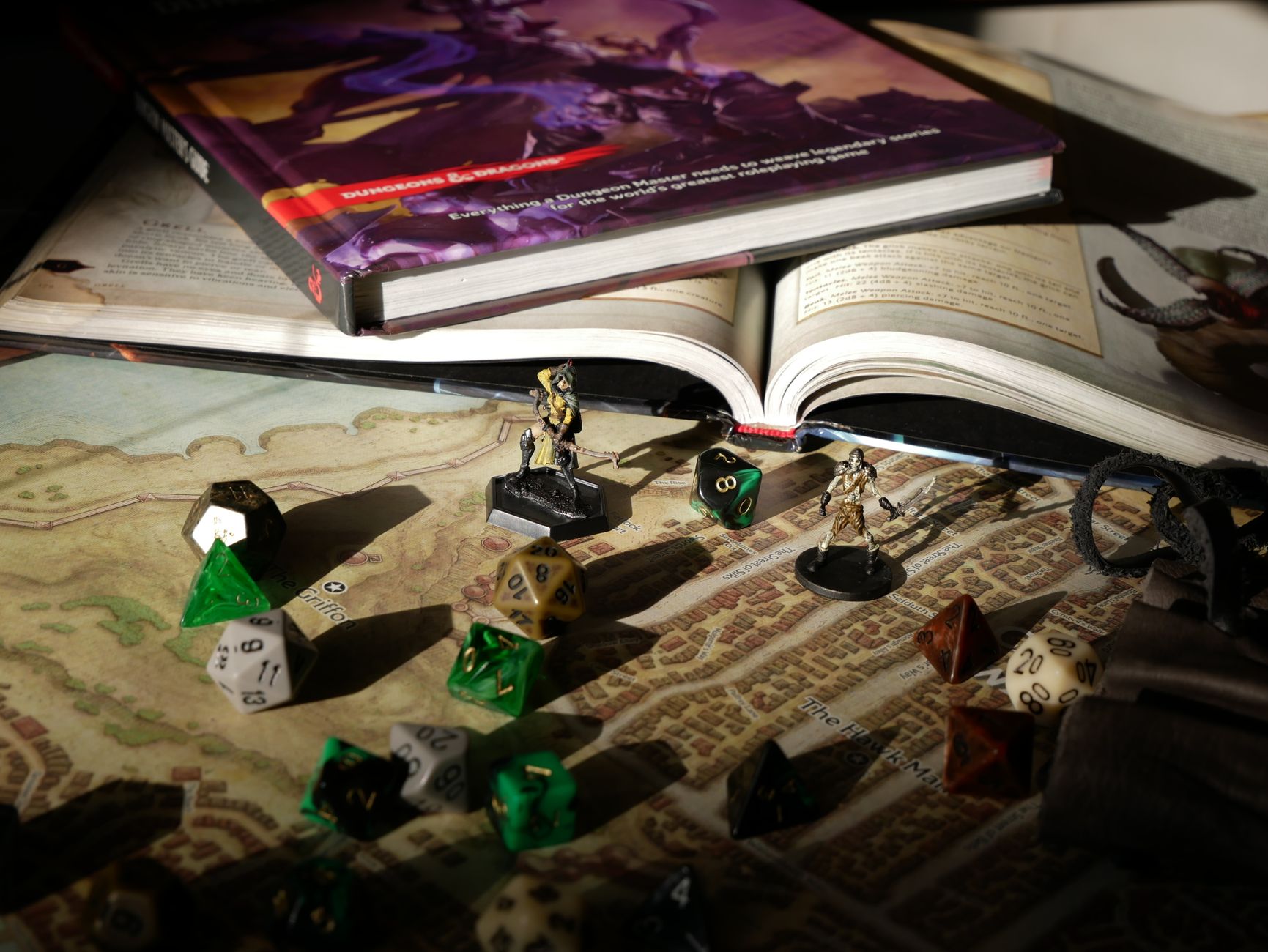
The best groups don’t treat session zero as a box to check before the “real” game starts — they revisit it. A quick check-in every several sessions, especially after a big tonal shift or a new player joining, keeps everyone on the same page. A game like Dungeons & Dragons can run for years; the group that talks openly about what they want from it, early and often, is the group most likely to still be playing when the campaign reaches its finale.


Leave a Reply